

Rumors of arrest in Russia remain unconfirmed amid ongoing backlash from the Ghanaian community (as of February 2026). Russian Guy Yaytseslav has recorded over 40 videos of his interactions with Ghanaian, Kenyan, South African and Nigerian girls and sold them on Telegram and some of them can be watched on TERABOX app, HERE.
The recent viral controversy surrounding a Russian national known online as Yaytseslav (real name reportedly Vyacheslav Trahov) has sparked significant outrage within the Ghanaian community and across social media platforms.
Circulating rumors suggest that he was arrested upon returning to Russia after allegations of abusing and exploiting young women in Ghana. However, based on available reports from February 2026, these claims of an arrest in Russia remain unconfirmed and appear to stem from heightened public speculation and frustration over his actions.

The Viral Controversy Surrounding Yaytseslav
The recent viral controversy surrounding a Russian national known online as Yaytseslav (real name reportedly Vyacheslav Trahov) has sparked significant outrage within the Ghanaian community and across social media platforms.
Circulating rumors suggest that he was arrested upon returning to Russia after allegations of abusing and exploiting young women in Ghana. However, based on available reports from February 2026, these claims of an arrest in Russia remain unconfirmed and appear to stem from heightened public speculation and frustration over his actions.
Background of the Controversy
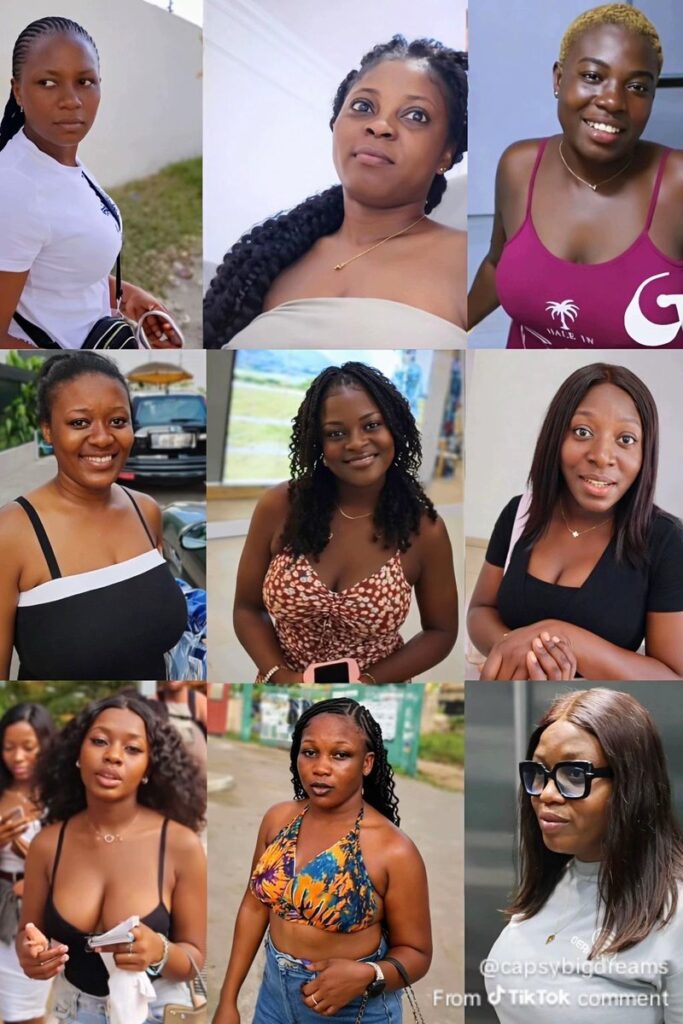
Yaytseslav, a content creator and tourist, gained notoriety after posting numerous videos on platforms like TikTok and Telegram. These clips documented his interactions with women primarily in Accra, Ghana (with some reports mentioning earlier activities in Nairobi, Kenya). He was seen approaching women in public spaces such as the Accra Mall, engaging them in conversation, and later recording intimate encounters in hotel rooms or Airbnb apartments.
Reports indicate that up to 40 or more such videos circulated, often filmed using hidden or body cameras (including wearable technology like Meta glasses) without the women’s apparent knowledge or full consent for recording and distribution.
The content portrayed rapid escalations—from casual daytime meetings to private encounters within hours—leading to accusations of predatory behavior, exploitation, and digital abuse. Critics highlighted concerns including:
- Lack of consent for filming intimate moments.
- Potential privacy violations through non-consensual sharing of explicit material.
- Exploitation of economic or social dynamics, with some alleging he bragged about minimal effort or cost involved in these encounters.
In response, the man reportedly deleted many videos, restricted access to his accounts, and even saw his TikTok account banned amid mounting pressure from Ghanaian netizens.
Ghanaian Community Outcry and Calls for Action
The scandal ignited widespread anger in Ghana, with many describing the behavior as shameful, exploitative, and disrespectful. Social media users, influencers, and public figures condemned the actions:
- Media personality MzGee publicly called for his arrest by Ghanaian police, labeling the situation “disheartening.”
- Discussions referenced Ghana’s Cybersecurity Act, 2020 (particularly Section 67), which criminalizes the non-consensual sharing of intimate images and could carry penalties of up to several years in prison.
- The Cyber Security Authority in Ghana was reportedly investigating the matter due to the privacy violations involved, with officials vowing strong action.
Public sentiment ranged from demands for legal accountability to debates about societal factors enabling such encounters. While no confirmed arrest occurred in Ghana (he appears to have left the country before escalation), the outcry emphasized that such misconduct would not be tolerated.
Rumors of Arrest in Russia
Recent rumors claim Yaytseslav was detained immediately upon landing in Russia, facing charges such as non-consensual recording, sexual harassment, and distribution of intimate images without consent—potentially leading to up to five years in prison. Some reports suggest Russian authorities vowed strict action to deter citizens from similar behavior abroad.
However, searches across news sources, social media, and related updates (as of mid-February 2026) yield no verified confirmation of any arrest in Russia. Coverage focuses primarily on the Ghana-based scandal, his video deletions, victim confrontations (including video calls from affected women), and ongoing online discussions. References to potential prison time often cite hypothetical applications of Ghanaian law or general penalties for privacy violations, rather than confirmed Russian proceedings.
The rumor may have amplified through social media echo chambers, where frustration over lack of immediate justice in Ghana fueled speculation about consequences elsewhere. Russian law does address related offenses (e.g., privacy violations or non-consensual dissemination of intimate materials), but no official statements or reports link these directly to Yaytseslav’s case.
Broader Implications
This incident underscores several key issues in the digital age:
- The ease of recording and distributing private content without consent.
- Cross-border challenges in holding individuals accountable for online exploitation.
- The need for greater awareness around consent, privacy, and the risks of casual encounters with strangers.
While the Ghanaian community has voiced strong disapproval and pushed for investigations, the story remains fluid. If new developments emerge—such as confirmed legal action in Russia or elsewhere—they could shift the narrative significantly. For now, the core of the story lies in the viral videos, the resulting backlash, and unanswered questions about consent and exploitation. Authorities in relevant jurisdictions continue to monitor similar cases to protect individuals from digital abuse.
Article based on public reports and social media discussions as of February 2026. No arrest in Russia has been independently verified.