

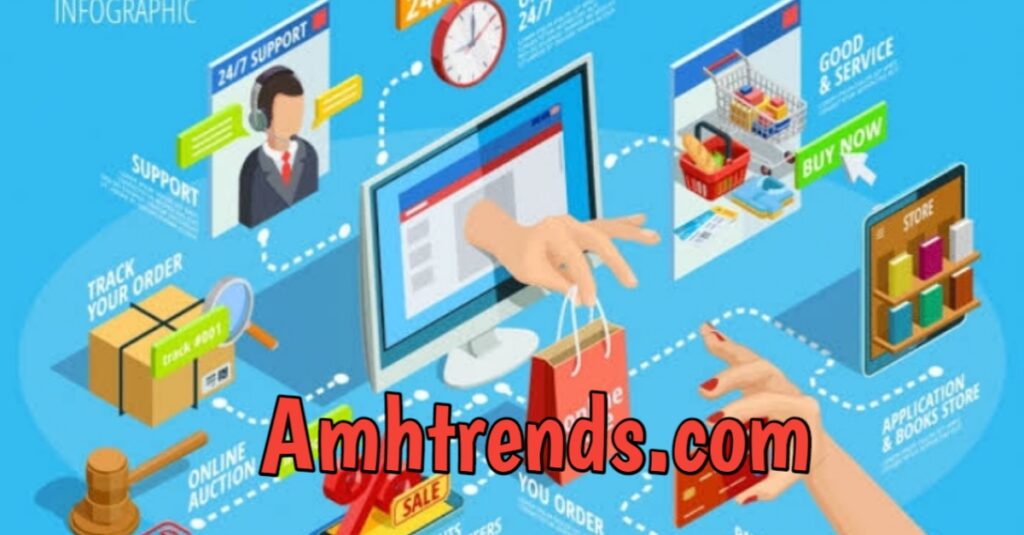
Types of e-commerce and examples of how they work
As commerce continues to evolve, so do the ways that it’s conducted.Following are the most traditional types of e-commerce models and examples of what they mean:
Business to Consumer (B2C):
B2C e-commerce is the most popular e-commerce model. Business to consumer means that the sale is taking place between a business and a consumer, like when you buy something from an online retailer.
Business to Business (B2B):
B2B e-commerce refers to a business selling a good or service to another business, like a manufacturer and wholesaler, or a wholesaler and a retailer. Business to business e-commerce isn’t consumer-facing, and usually involves products like raw materials, software, or products that are combined. Manufacturers also sell directly to retailers via B2B ecommerce.
Direct to Consumer (D2C):
Direct to consumer e-commerce is the newest model of ecommerce, and trends within this category are continually changing. D2C means that a brand is selling directly to their end customer without going through a retailer, distributor, or wholesaler. Subscriptions are a popular D2C item, and social selling via platforms like InstaGram, Pinterest, TikTok, Facebook, SnapChat, etc. are popular platforms for direct to consumer sales.
Consumer to Consumer (C2C):
C2C e-commerce refers to the sale of a good or service to another consumer. Consumer to consumer sales take place on platforms like eBay, Etsy, Fivver, etc.
Consumer to Business (C2B):
Consumer to business is when an individual sells their services or products to a business organization. C2B encompasses influencers offering exposure, photographers, consultants, freelance writers, etc..